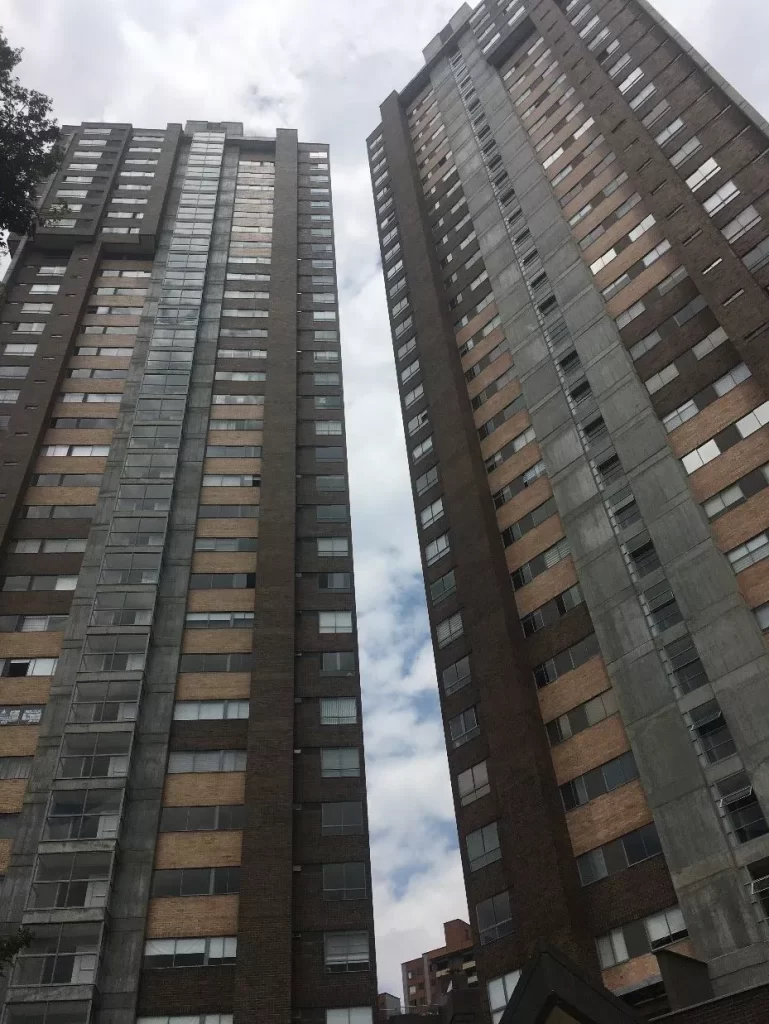

Modern skyscrapers are complex and strongly exposed to dynamic forces such as wind, occupancy loads, and—especially in seismic regions—earthquakes. Structural Health Monitoring (SHM) plays a critical role in ensuring their safety and longevity. By continuously monitoring the building’s response to environmental and seismic activity, SHM systems help engineers:
- Detect early signs of structural stress or degradation.
- Make data-driven maintenance and safety decisions.
- Ensure compliance with seismic safety standards.
- Enhance emergency response and post-event assessments.
For cities like, located in a region of seismic activity, SHM is not just a modern convenience—it’s a fundamental part of risk mitigation and public safety.
To enable real-time seismic monitoring, a robust networked system was installed in the Stanza Towers (Medellín, Colombia). The system includes:
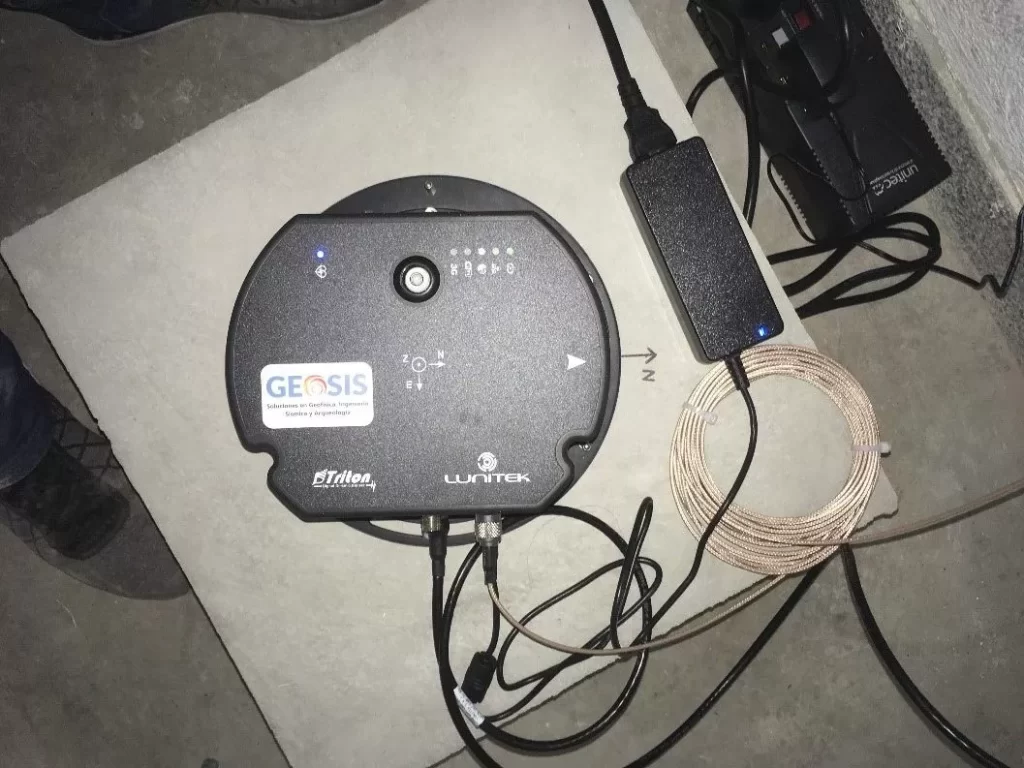
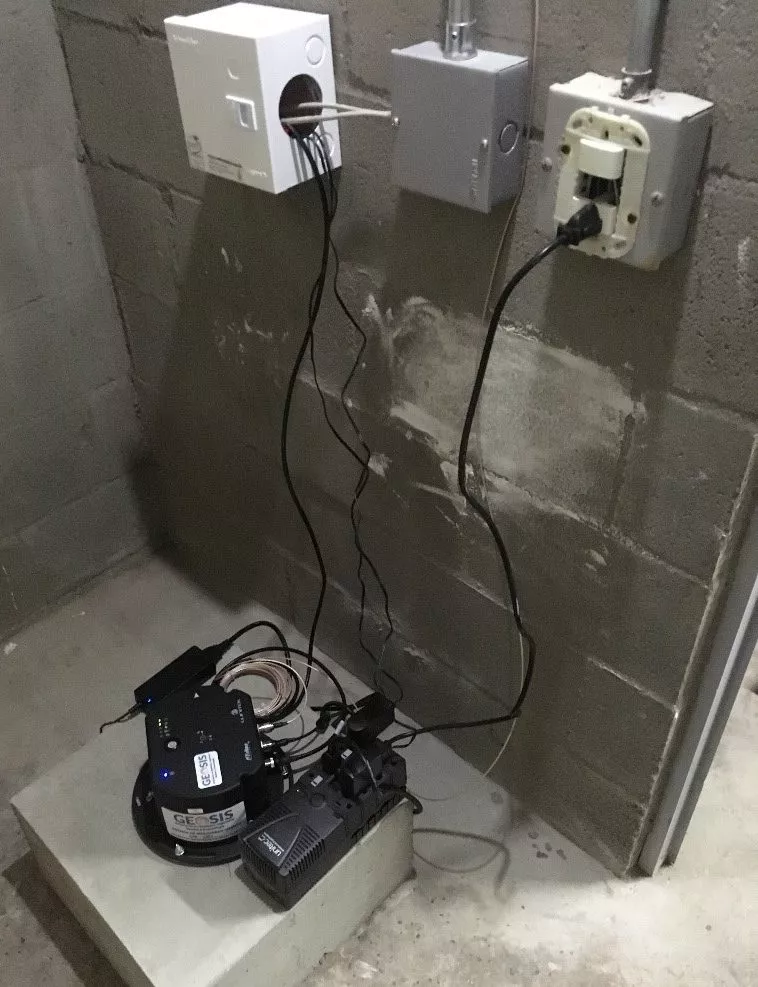
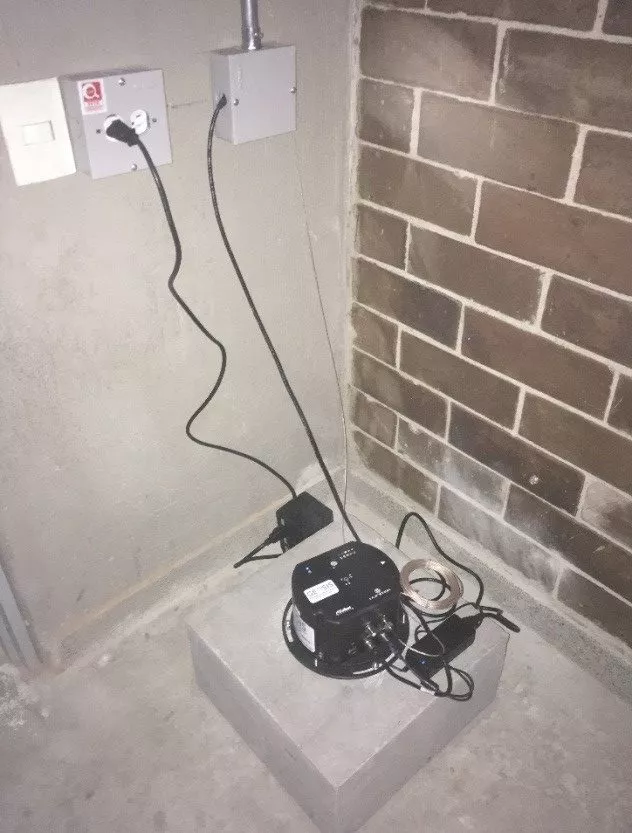
- 6 Triton Accelerographs: Installed in each tower at three vertical levels—basement, 16th floor, and 34th floor.
- 5 TP-LINK 5-Port Network Switches: These switches interconnect all monitoring devices.
- 2 Raspberry Pi 3 Model B+ Computers: Located in the basements to manage remote access and data upload.
- Voltage Stabilizers: One per installation point to ensure an uninterrupted, clean power supply.
- Ethernet and GPS Connectivity: Ensures accurate timing and stable communication between devices.