Structural Health Monitoring (SHM) is the continuous or periodical assessment of the conditions of a structure (such as a building, bridge, dam, or wind turbine) to detect damage, deterioration, or changes in performance over time. This ensures its safety, functionality and longevity.
Where is SHM used?
| Buildings | Skyscrapers, seismic monitoring systems |
| Transportation Infrastructure | Bridges, tunnels, railways |
| Aerospace & Vehicles | Aircraft wings, rockets, UAVs |
| Energy Systems | Wind turbines, dams, pipelines |
| Maritime | Ships, offshore platforms |
Which are the components of a SHM system?
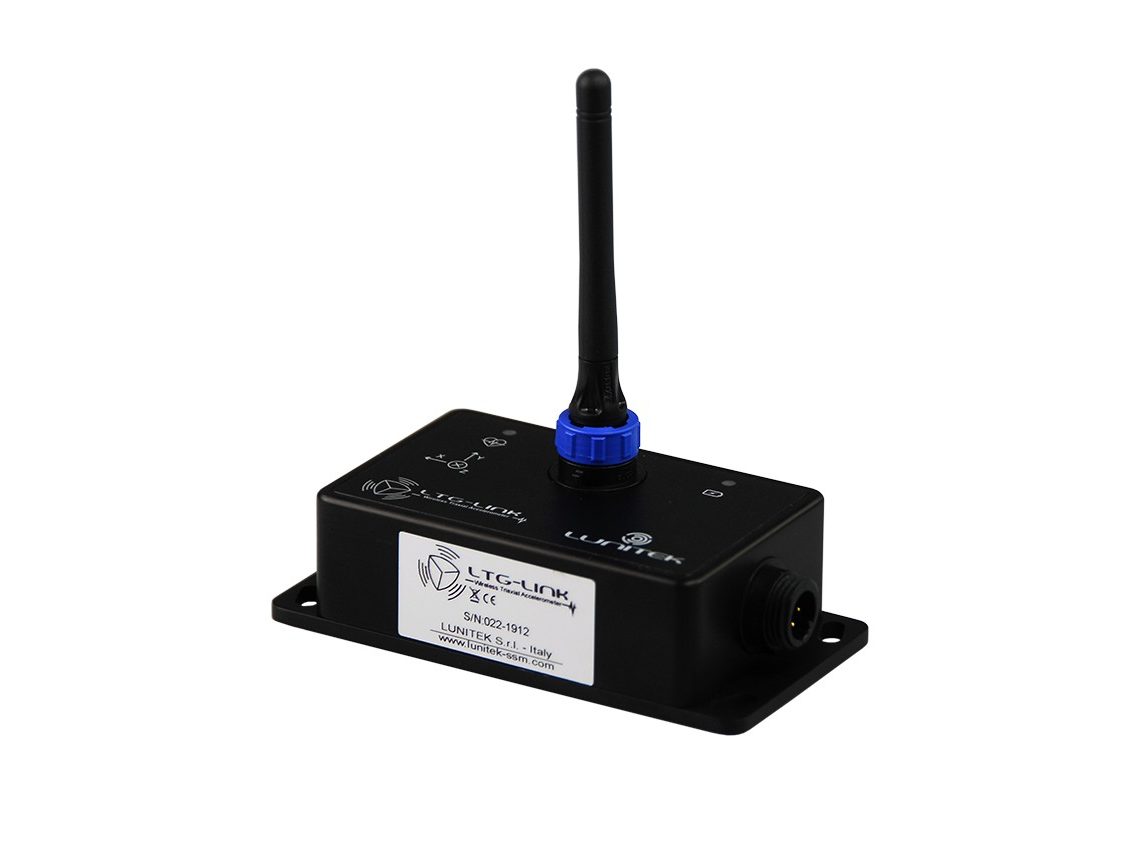
- Sensors – devices like strain gauges, accelerometers, acoustic sensors are installed to measure vibration, stress, temperature, displacement, etc.
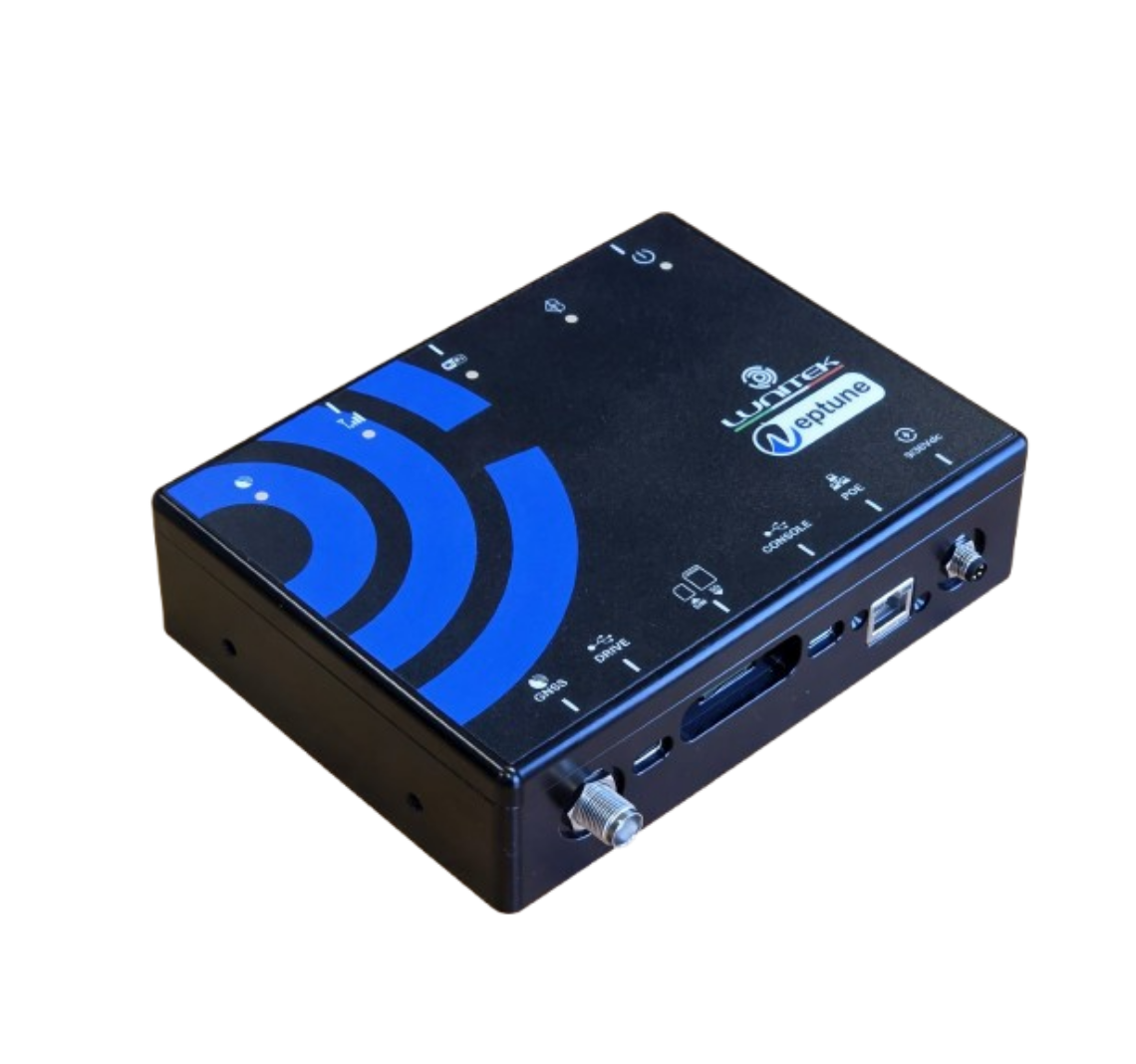
- Data Collection & Transmission – sensor data is recorded and sent to a central system for analysis. Wireless or wired systems can be used depending if the data collection is for real-time or periodic analysis
- Data Processing & Analysis – algorithms and models evaluate the structure’s behavior to identify unusual patterns.
- Damage Detection – changes in the data may indicate cracks, corrosion, material fatigue, or other structural issues.
Structural health monitoring techniques
Generally, the aim is detecting changes in modal properties (natural frequencies, damping ratios, mode shapes etc) that may indicate damage. With sensors (accelerometers for example) placed at various floors, it is possible to monitor the building’s response to external loads such as wind, traffic or earthquakes. The following key parameters can be calculated:
- Natural frequencies
- Damping ratio
- Inter-story drift ratio
- Peak ground and floor accelerations
- Floor amplification factors
- Velocity and displacement responses
- Response spectra
Continuous, Periodic and Event-Triggered Monitoring
Continuous monitoring consists in continuously updating parameters like natural frequencies, damping ratios, and modal shapes to quickly detect rapid changes due to events like earthquakes or impacts. It is suitable for critical structures like bridges, high-rise buildings, or nuclear facilities where real-time safety is paramount.
It requires robust computational resources for real-time analysis and can generate a lot of data, which may need efficient compression and storage strategies.
- Periodic monitoring is suitable for structures with slow-changing conditions or non-critical environments. Calculating parameters every hour, day, or week may suffice to track long-term trends, such as aging or gradual damage accumulation
- Event-triggered analysis: Instead of fixed intervals, you can trigger updates when:
- a significant event (e.g., earthquake, heavy wind, or impact) is detected by the sensor network
- Anomalies, such as unusual amplitude or frequency shifts, are observed in the data
- A pre-defined threshold for a parameter is exceeded (e.g., acceleration or drift)